Best Gymnastics Clubs in London
Compare trusted London gymnastics clubs for recreational classes, competitive squads, KinderGym and holiday programs, then call the right one direct.
Gymnastics Clubs in London
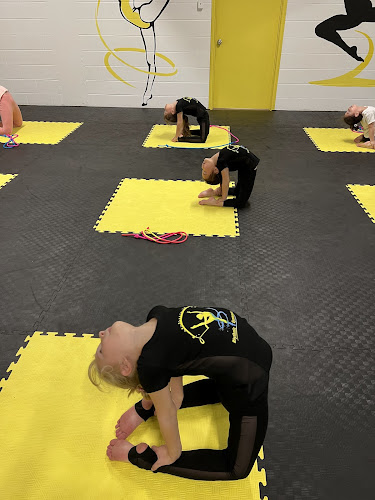
London Karate & Rhythmic Gymnastics Centre
Highest rated in London
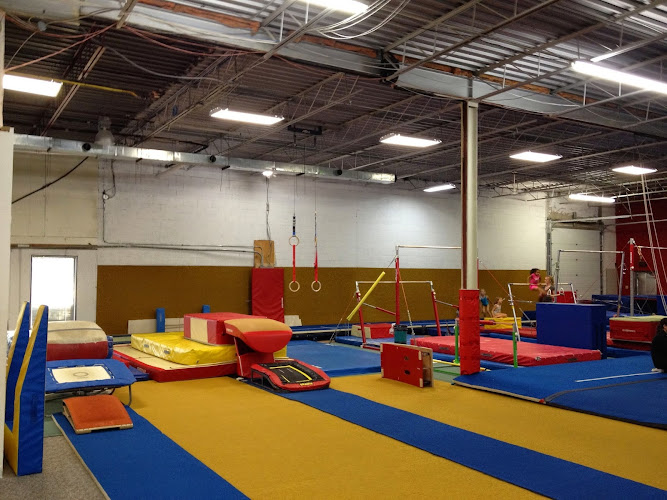
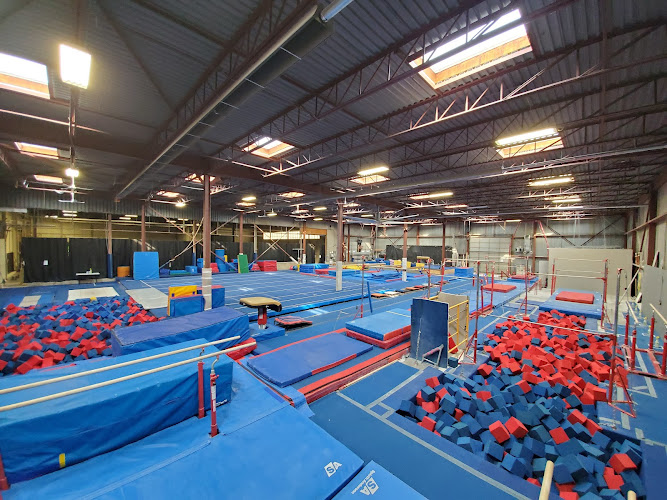
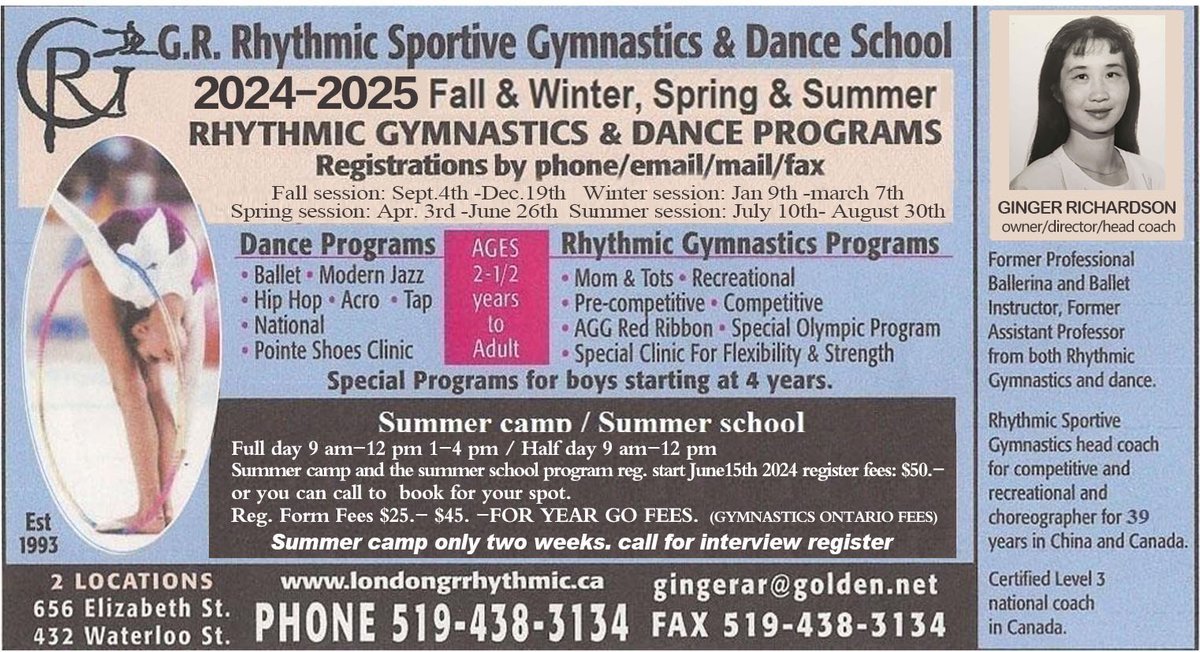
Gymnastics Clubs in Other Ontario Cities
About gymnastics clubs in London
Compare 5 rated gymnastics club businesses in London, Ontario. 1 is noted by reviewers for good value.
Frequently Asked Questions About Gymnastics Clubs in London
Many gymnastics clubs in London, Ontario welcome children as young as eighteen months through parent-and-tot or KinderGym programs, where caregivers join in and activities focus on movement, balance, and body awareness rather than formal skills. By around three or four years old, children can typically join preschool classes on their own, with coaches using games and equipment scaled to small bodies.
Recreational classes for school-age children usually begin from around five or six. There is no upper age limit for starting gymnastics, older children, teens, and adults can all find recreational programs suited to their level.
The key is finding a club whose age groupings match your child's stage, which you can check on each London listing in this directory.
Start by thinking about what your child actually wants, recreational fun, a social activity, or eventually a competitive pathway, and then look for clubs that offer programs matching that goal and your child's age group. On this directory you can compare London gymnastics clubs by rating, by the programs and age groups each one runs, and by the apparatus and facilities they have on site.
Check whether a club runs KinderGym, holiday camps, birthday parties, or competitive squads such as WAG, MAG, rhythmic, or trampoline, depending on what matters to your family. Consider location too: a club that is a manageable drive from your part of London will be far easier to commit to week after week.
Reading through what other families have said in ratings can also give a useful sense of the coaching culture.
Recreational gymnastics is designed for enjoyment, fitness, and learning foundational movement skills at a relaxed pace. Classes are usually held once a week during the school term, groups are mixed in ability, and there is no pressure to enter competitions.
Children learn rolls, cartwheels, handstands, and basic apparatus skills in a supportive environment. Competitive gymnastics, including Women's Artistic, Men's Artistic, rhythmic, trampoline, tumbling, and acrobatic disciplines, involves training several times a week, following a structured progression through levels, and attending sanctioned competitions across Ontario and sometimes beyond London.
Clubs that run competitive squads typically assess children's readiness and invite them to join a development or pre-competitive stream. Many children start recreationally and transition to competitive training if they show interest and ability.
Fees vary noticeably between clubs in London and depend on the type of program, the age group, and how many sessions are included. Recreational classes are most commonly charged on a per-term basis aligned with the school calendar, covering a set number of weeks in one payment.
That term fee typically includes registration and the club's insurance levy, so there are usually no large hidden additions for recreational participants. Competitive squad fees tend to be structured differently, often reflecting a higher volume of training hours per week, and families should also factor in costs such as competition entry fees, travel within Ontario, and club attire.
Holiday camps and open gym sessions are generally priced separately per session or per camp block. The directory listings for London clubs show program details where you can then contact each club directly for current fee information.
On the first day, the coach will usually gather the group, introduce themselves, and run through a few basic rules about the gym, things like how to move between apparatus safely and when to wait for instructions. A warm-up, often involving games or movement activities, comes first and helps children settle in and feel comfortable.
From there, the class works through a circuit or rotation of stations covering skills appropriate for the age group, such as forward rolls, jumping, balance beams, and simple bar hangs for younger children. The atmosphere in a first class is generally encouraging rather than pressured.
Your child should wear comfortable, form-fitting clothing and bare feet or gymnastics slippers. If your child is anxious, coaches in London clubs are generally accustomed to first-timers and will work to help them feel at ease from the start.